
How to Choose the Ideal Bracelet Size
To choose the ideal bracelet size, you need to measure the circumference of your wrist and add between 1 and 2 cm depending on your preferred fit. Fitted bracelets tend to look more elegant, while rigid or bangle-style designs require a little more room to ensure everyday comfort.
Key tips for choosing the right bracelet size:
- Never buy a bracelet that matches your exact wrist measurement; always add some extra allowance.
- Rigid pieces require more room than elastic or chain bracelets.
- Materials such as natural leather settle and become more flexible with daily wear.
- The thickness of the piece should complement the size of your wrist to create a balanced silhouette.
How to Determine Your Bracelet Size
Finding the perfect fit starts with an accurate measurement before purchasing women's jewelry or men's jewelry.
How to Measure Your Wrist Correctly
There are two simple at-home methods to determine your exact wrist measurement:
- Using a measuring tape: Wrap the tape around your wrist (just above the wrist bone) without pulling it too tightly. Note the exact measurement.
- Using string or paper: If you don't have a measuring tape, wrap a piece of string or a strip of paper around your wrist. Mark where the ends meet and measure that length with a ruler.
How Many Centimeters to Add Depending on the Fit
Once you have your wrist measurement, add extra length based on how you want the bracelet to fit:
| Fit Type | Recommended Extra Length | Visual Effect |
|---|---|---|
| Snug | 0.39 in | The bracelet barely moves; ideal for keeping the main design in place. |
| Standard | +0.59 in | A balanced fit. The bracelet moves naturally without slipping off. |
| Loose | +0.79 in | A more relaxed drape. Ideal for a casual, eye-catching look. |
Bracelet Size Guide
To make your choice easier, the following guide standardizes common bracelet sizes. Compare your wrist circumference to find the best option.
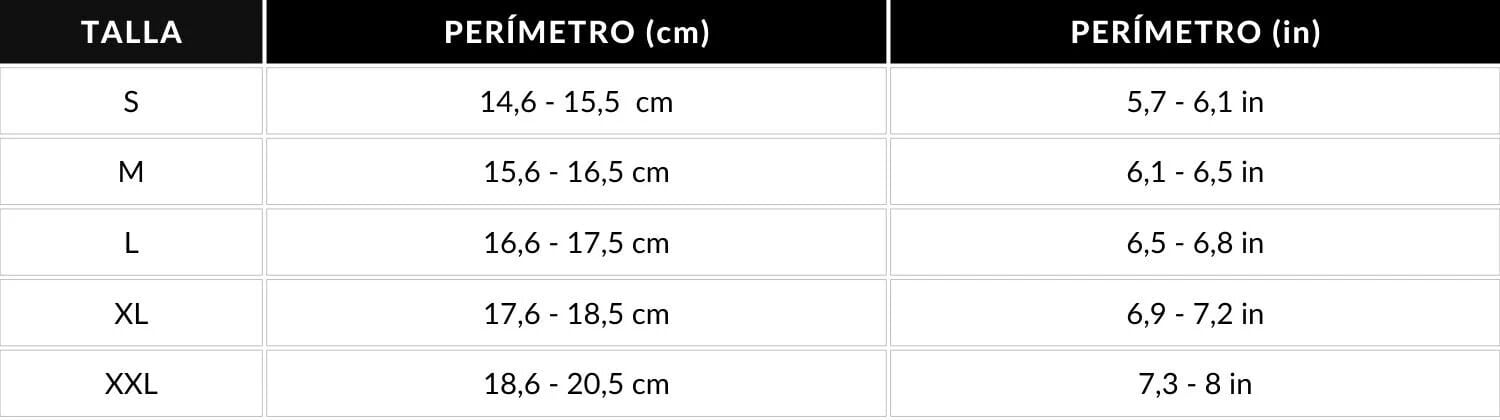
How a Bracelet Should Fit
A well-fitting bracelet strikes the right balance between comfort and style. It should not be too tight (which can restrict movement, leave marks, and increase the risk of damage) nor too loose (which can cause it to slip off and get lost during daily wear).
For rigid bracelet designs, the bracelet should sit comfortably against the skin, similar to a bangle.
What Size to Choose Based on Bracelet Type
The structure and volume of the piece determine how much internal space is needed.
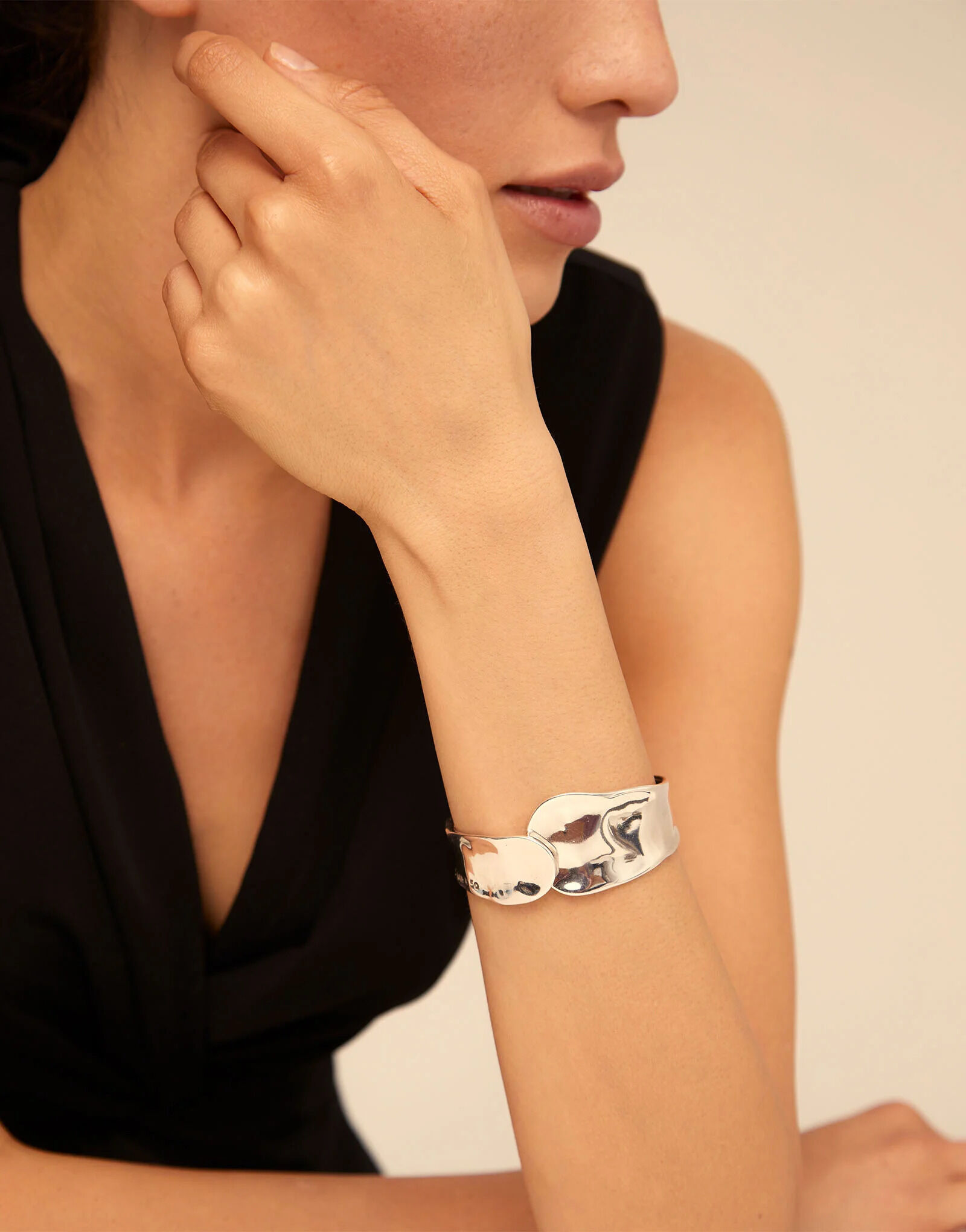
Rigid Bracelets and Bangles
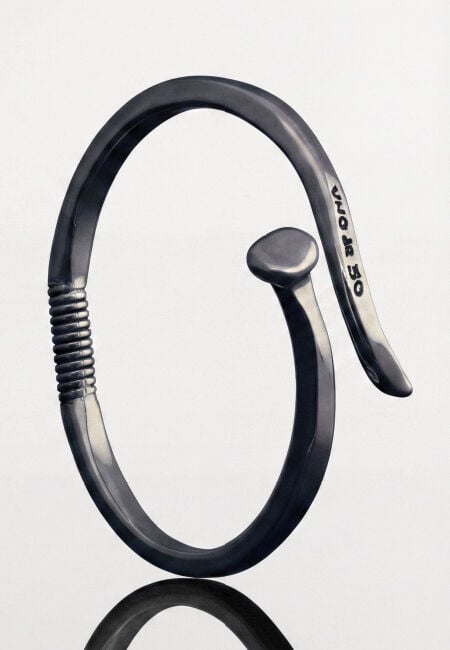
Iconic molded metal bangles require extra room. If the design is closed, measure around the widest part of your knuckles with your fist closed (simulating how the bracelet will pass over the hand).
Chain Bracelets
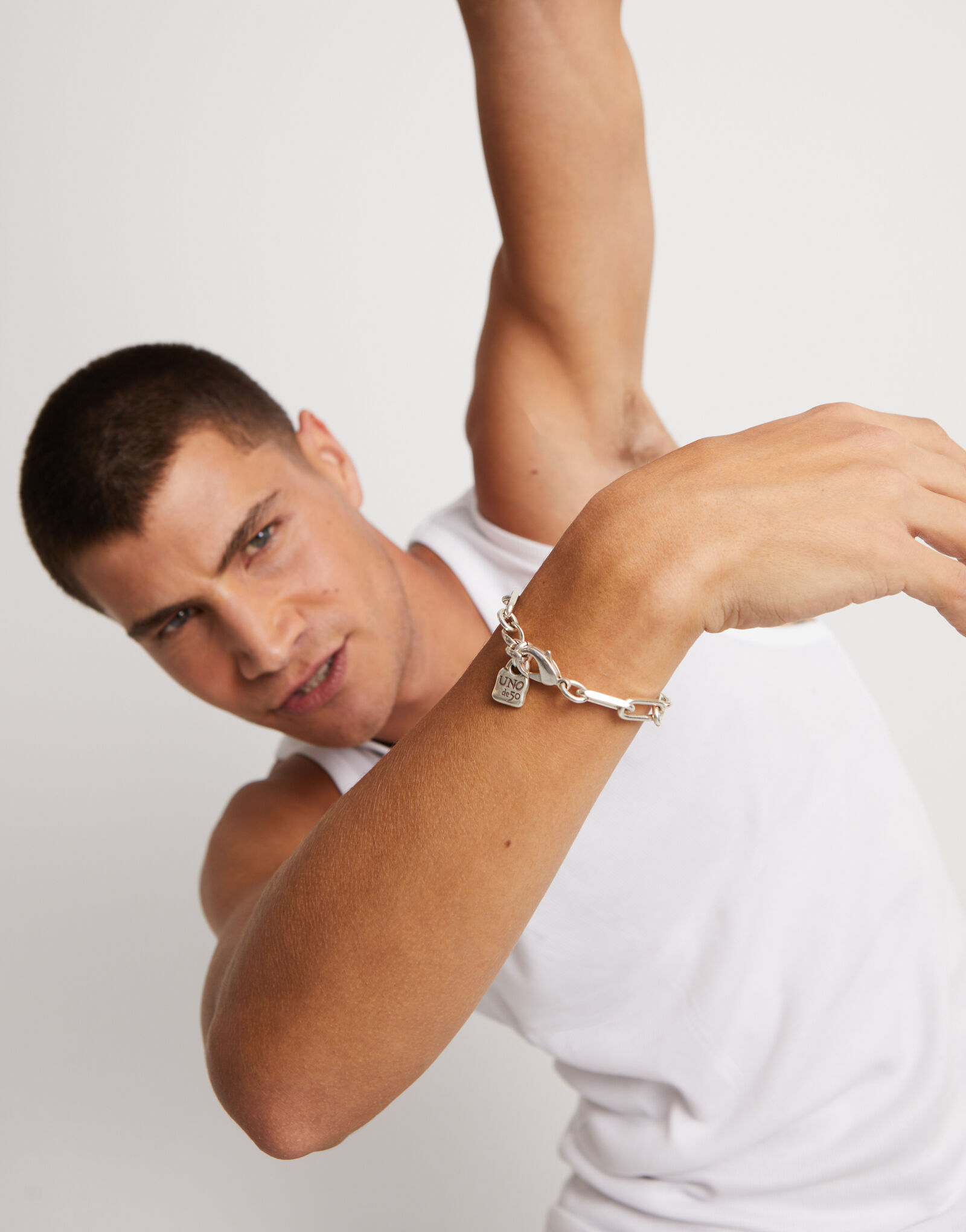
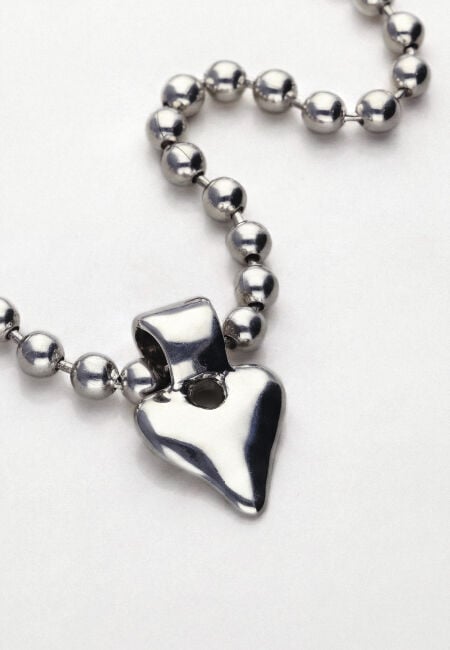
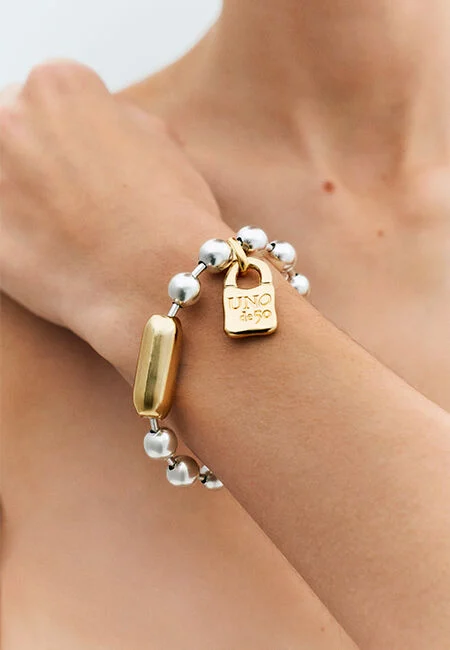
Organic chain links offer a much more flexible fit. They naturally adapt to the shape of your wrist, allowing them to sit close to the skin without sacrificing comfort or shine.
Leather Bracelets
Leather bracelet designs with knots, straps, or braiding require a comfortable fit from the start. Although they may feel firmer at first, daily wear softens the material so it adapts perfectly to your wrist.

Open Bracelets
Open cuff bracelets are among the most adaptable styles. They’re ideal if you like mixing metals, as our gold bracelets and silver bracelets collections include designs that can be gently adjusted for a slightly tighter or looser fit depending on where you wear them on your forearm.

Common Mistakes When Choosing Bracelet Size
- Choosing based only on appearance: Buying a wide bangle in a tight size without considering that wider pieces reduce usable interior space and typically require a larger size than slim designs.
- Ignoring the clasp: Overlooking that T-bar clasps or large lobster clasps reduce the usable length of the bracelet.
- Not considering the material: Forgetting that metals do not stretch, making the +1.5 cm allowance essential from the start.
Which Bracelet Style Flatters Your Wrist Most?
Use proportion to naturally enhance the look of your wrist and arm.
- Slim Wrists: If your wrist measures less than 15 cm, oversized or heavy pieces may feel overwhelming. Mid-width bracelets with sculptural or geometric designs that sit neatly on the wrist are usually the most flattering.
- Medium Wrists: Wrists between 16 and 17 cm are highly versatile and can wear anything from delicate beaded styles to bold rigid bangles.
- Wide Wrists: For wrists over 18 cm, bold bracelets with volume, strong links, or open designs are ideal to enhance the arm’s shape without feeling restrictive.
How to Stack Multiple Bracelets Without Losing Comfort
Layering bracelets requires balance to keep them comfortable and visually appealing:
- Mix materials: Combine leather textures with metal chains for contrast and visual interest.
- Layer intentionally: Place heavier, more rigid pieces closer to the hand, and lighter chain bracelets higher on the forearm.
- Balance proportions: Combine one statement bracelet with two or three complementary pieces. If you want a more expressive style, experiment with unique combinations that reflect your personality.
Frequently Asked Questions About Bracelet Size
How much extra room should a bracelet have?
The standard recommendation is about 1.5 cm (0.59 in) of extra space for comfortable movement during daily wear.
How should a bangle fit?
Because it is rigid, a bangle should have enough room to slide slightly along the forearm without slipping off the hand.
What is the most common bracelet size?
The standard or medium size (M), typically for wrists measuring 16–17 cm, is the most common.
What if I’m between two bracelet sizes?
If you’re between sizes, always choose the larger one. Bracelets with large links or charms reduce usable interior space, so a smaller size may feel too tight or uncomfortable. If unsure, contact the UNOde50 team for personalized advice.
Does climate affect bracelet size?
Yes. In summer or hot climates, the body may retain more fluid, causing wrists to swell slightly. For rigid or fitted bracelets, consider this and choose a standard or slightly loose fit for year-round comfort.
When choosing the designer piece that will accompany you daily, remember that the right size not only enhances your wrist’s appearance but also helps preserve the finish and materials of your favorite jewelry. With the right extra room and basic care, your bracelets will maintain the unique and original spirit that defines every UNOde50 creation.


Discover our categories

Author: Elena Buenahora