
What Is Artisan Jewellery? Discover the Value of Handmade Jewellery
Artisan jewellery refers to pieces created through manual processes or through the significant involvement of a skilled craftsperson. It is characterised by attention to detail, limited production runs, original design and distinctive finishes that give each piece its own personality and exclusivity.
What You Should Know About Artisan Jewellery
- Distinctive identity: Every piece displays unique nuances that reveal the hand of the artisan.
- Responsible craftsmanship: Traditional casting and shaping techniques far removed from mass production.
- Materials with character: Carefully selected robust metals, genuine leather and faceted crystals.
- Lasting durability: Designs created to withstand the passage of time and develop character as they age.
What Is Artisan Jewellery?
Artisan jewellery is defined as any piece that has been conceived, shaped and finished using predominantly manual techniques within a creative workshop. In this type of production, industrial machinery is kept to a minimum, allowing the artisan's skill, experience and artistic vision to guide every stage of the process.
How Is Artisan Jewellery Made?
The journey from raw material to finished jewellery is a meticulous process that requires patience, expertise and craftsmanship.
Inspiration and Design
Every creation begins on paper or in the designer's imagination. Inspiration may come from nature, architectural forms or everyday objects, leading to the first sketches that determine the volumes and structure of the future piece.
Material Selection
High-quality materials are carefully chosen. From durable metal alloys to naturally sourced leather, every element is selected for its strength, texture and ability to work harmoniously with other materials.
Modelling and Shaping
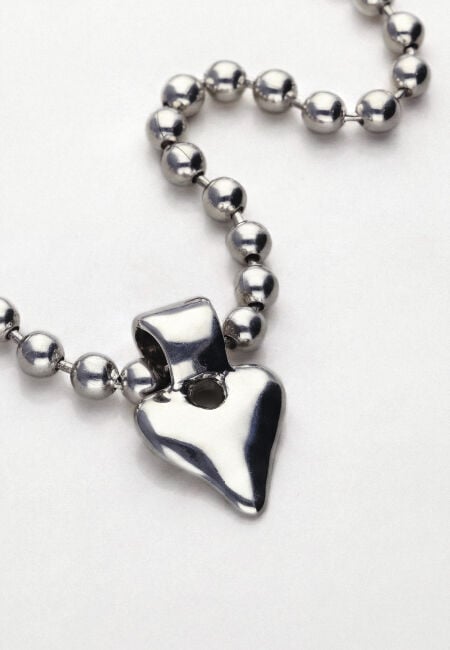
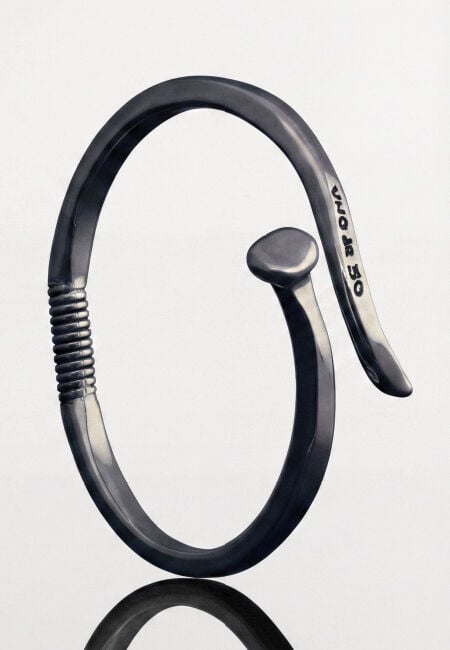
This is where craftsmanship truly comes to life. Using wax models, moulds or direct sculpting techniques, the artisan creates the foundation of the piece. Through traditional casting methods, molten metal adopts the rough textures, organic finishes and irregular silhouettes that define designer jewellery.
Finishing and Polishing
Once the physical piece has been formed, it undergoes filing, manual soldering of clasps and selective polishing. Thick layers of precious metals, such as sterling silver plating or high-quality gold plating, are then applied to provide the final shine and protection.
Quality Control
Each piece is carefully inspected visually and by hand. Crystal settings are checked for security, clasps are tested for smooth operation and surfaces are examined to ensure complete comfort during daily wear.
The Value of Handmade Craftsmanship
The artisan's direct involvement in every step gives each piece an emotional dimension that mass production can never replicate. Every creation carries time, dedication and a centuries-old craft tradition that becomes part of the story of the person who wears it.
Artisan Jewellery vs. Industrial Jewellery: Key Differences
To fully appreciate the unique value of artisan jewellery, it helps to compare it with mass-produced alternatives:
| Criteria | Artisan Jewellery | Industrial Jewellery |
|---|---|---|
| Manufacturing Process | Predominantly handmade and designer-led | Automated mass production |
| Exclusivity | High; each piece features subtle, unique variations | None; thousands of identical copies on the market |
| Quality of Finishes | Rich textures, selective polishing and integrated clasps | Flat, uniform and standardised finishes |
| Production | Limited editions or numbered collections | Large-scale mass production |
| Emotional Value | High; pieces with history, soul and symbolism | Low; disposable, fast-consumption accessories |
| Durability | Excellent; robust metals and generous plating | Limited; lightweight materials and thin coatings |
What Makes Artisan Jewellery Special?
Choosing designer jewellery completely transforms the way you experience your everyday accessories.
Jewellery with Character
These pieces are not designed to blend in or go unnoticed. Their irregular silhouettes and bold volumes become a statement of individual style that reflects your personality.
Attention to Detail
Artisans carefully refine every millimetre. Invisible soldering, secure stone settings and meticulously crafted ring engravings ensure a premium wearing experience.
Limited Production
Because artisan jewellery is not mass-produced, the chances of encountering someone wearing exactly the same combination of pieces are minimal, enhancing your sense of exclusivity.
Creative Expression
Every piece is a canvas through which the creator expresses a unique vision of the world. Wearing it is a way of connecting with contemporary art and carrying a miniature sculpture on your skin.
Symbolic Value
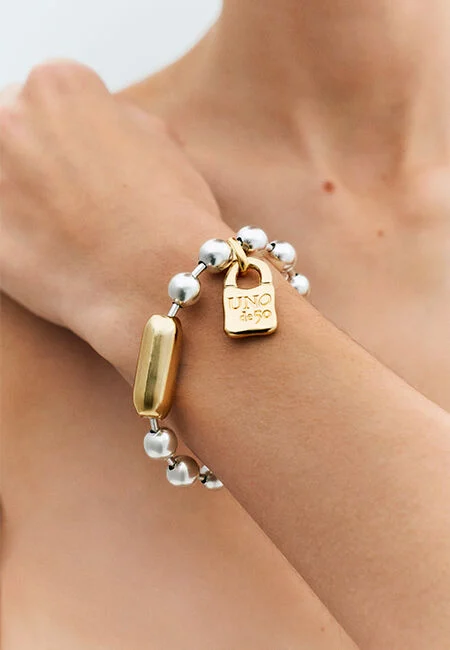
Padlocks, abstract talismans and sculptural metal knots imbue each piece with personal meaning, transforming jewellery into modern amulets with soul.
What Materials Are Most Commonly Used?
The tactile richness and visual appeal of handmade jewellery are rooted in the thoughtful combination of genuine materials.
Metals
Robust and durable metal alloys are used to give each piece a pleasing weight and substantial feel. The strength of the base metal is essential to ensuring that hand-moulded textures and sculpted details retain their definition over time.
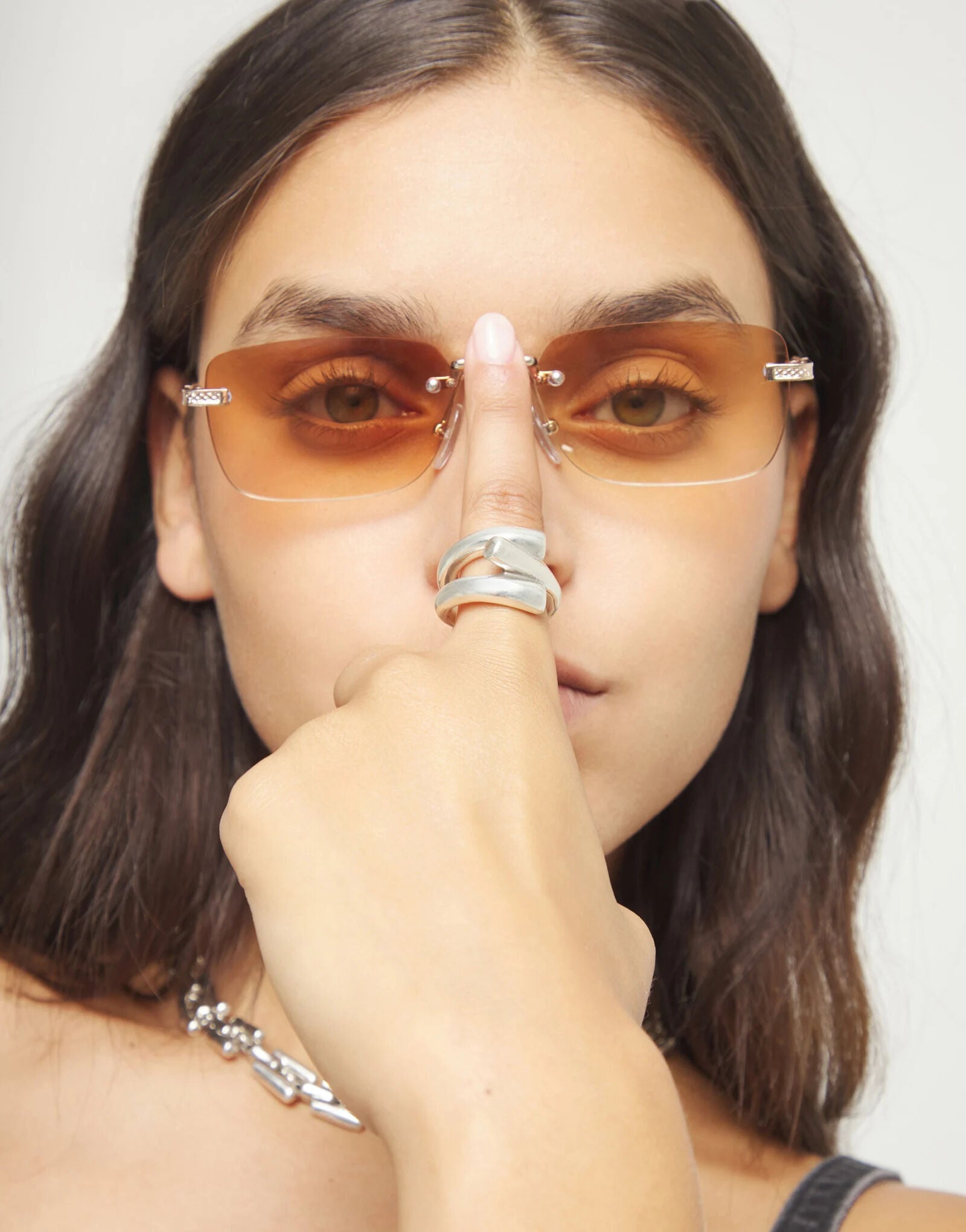
Plating and Finishes
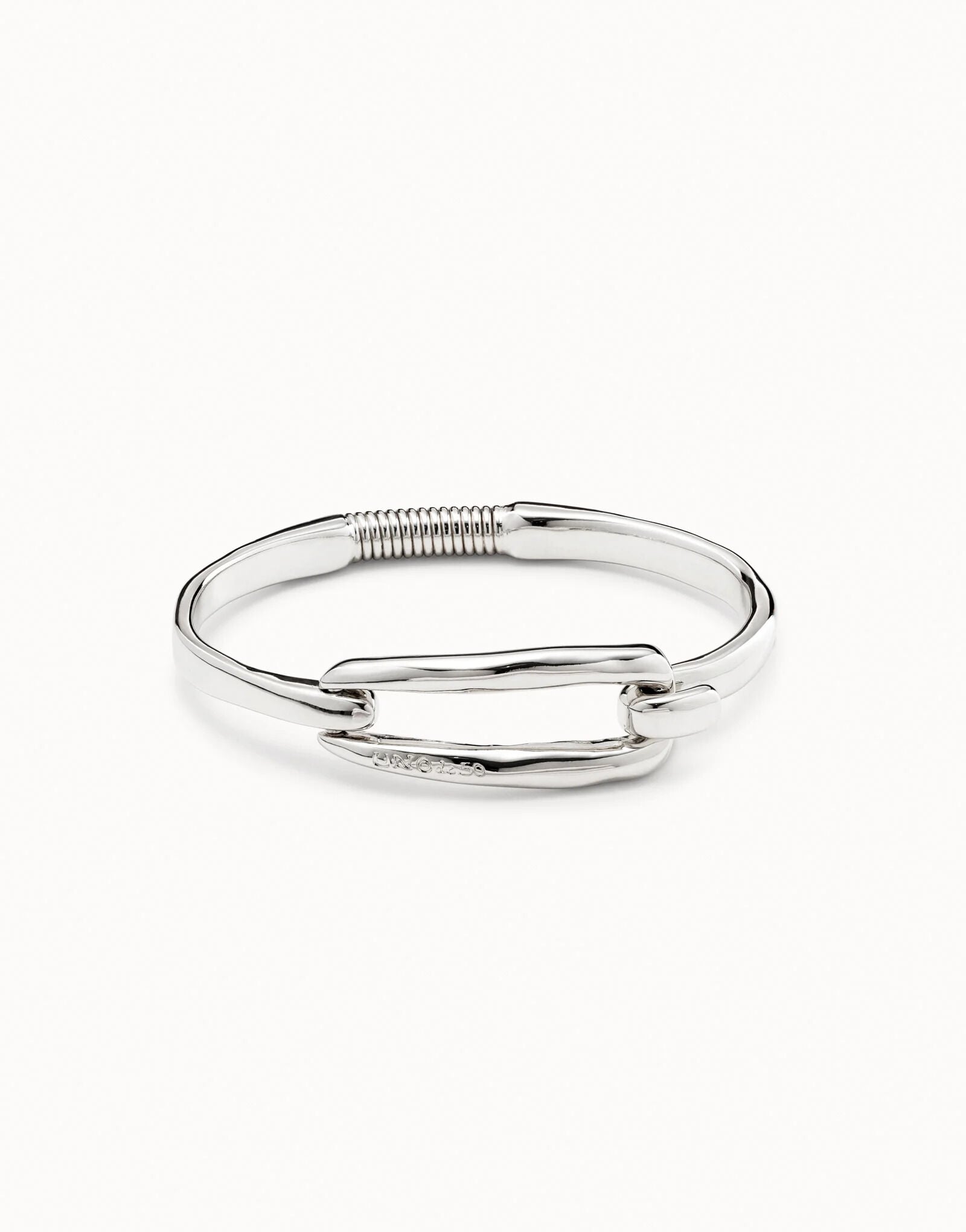
Pieces are finished with generous coatings of precious metals. Our sterling silver bracelets and gold-plated designs ensure rich colour and a graceful ageing process, developing a beautiful patina over time with regular wear.
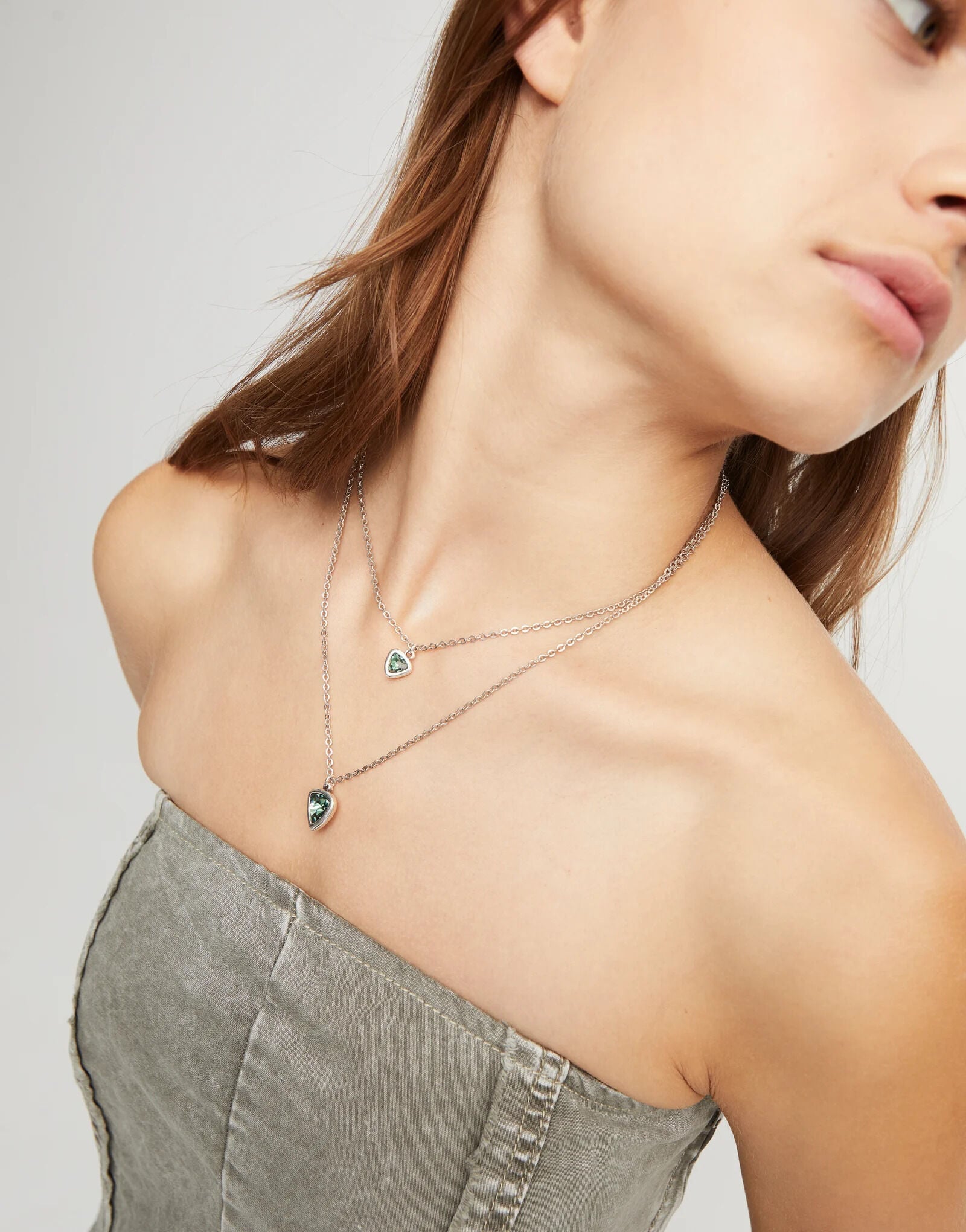
Crystals
Faceted crystals are incorporated to create vibrant flashes of colour and multidimensional reflections of light. These elements add contrast and sophistication to metallic surfaces.
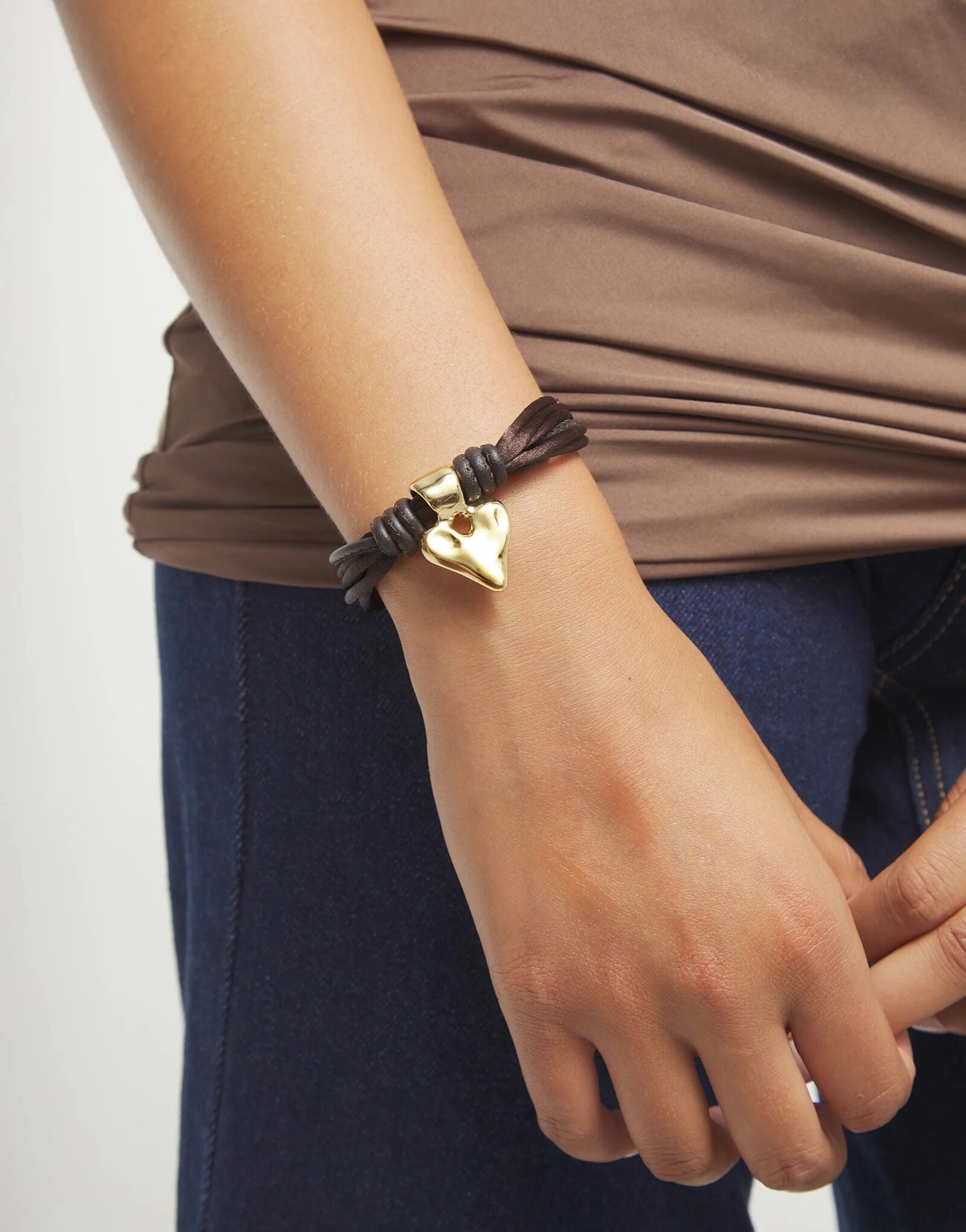
Leather
Natural leather in earthy tones or black is combined with metal to introduce an organic, relaxed texture that perfectly complements modern urban styling.
Artisan Jewellery Today
Today, craftsmanship has moved far beyond nostalgia to become one of the most forward-thinking movements in contemporary fashion.
Current Trends
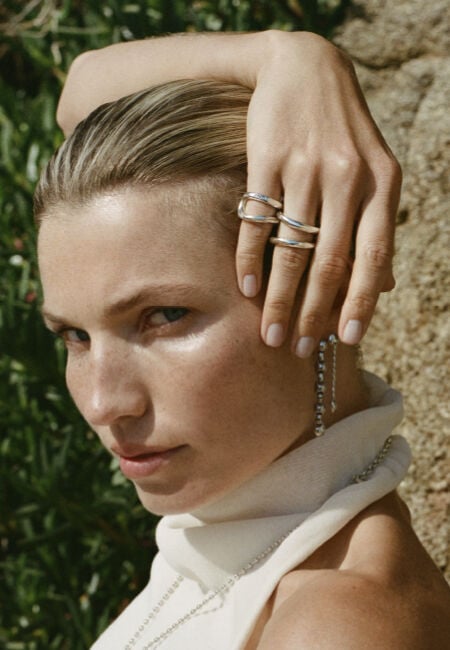
Modern trends embrace controlled maximalism and contrast. The rise of layering allows for personalised combinations of bracelets, necklaces and asymmetrical chains, transforming even the simplest outfit into a statement.
Craftsmanship and Contemporary Design
Artisan jewellery has evolved to meet the needs of modern women by offering ergonomic, comfortable and versatile pieces that effortlessly transition from everyday wear to special occasions.
Sustainability and Conscious Consumption
As an alternative to throwaway culture, consumers increasingly value timeless jewellery designed to last. Choosing ethically crafted pieces made in local workshops encourages a more responsible and sustainable approach to consumption.
The Value of Pieces with a Story
Handmade jewellery accumulates memories. As it grows older with its wearer, it becomes deeply personal, carrying emotional significance and reflecting life's most meaningful moments.
How to Recognise High-Quality Artisan Jewellery
Identifying a genuinely handcrafted piece requires attention to several technical details:
- Textured Finishes: Metal surfaces display subtle irregularities and raised details that reveal the hand-crafted nature of the moulding process.
- Exclusive Design: Each piece possesses a distinctive identity that immediately sets it apart from mass-produced fashion jewellery.
- Weight and Substance: A handcrafted piece feels solid and balanced in the hand, reflecting the quality of its base materials.
- Refined Ergonomics: Despite bold, irregular shapes, all areas that come into contact with the skin are carefully smoothed to ensure maximum comfort.
The Creative Process at UNOde50: When Craftsmanship Becomes Design
At UNOde50, respect for traditional techniques and stylistic innovation come together to bring iconic pieces with unmistakable character to life.
Inspiration Behind Every Collection
Each collection begins with complete creative freedom. The power of natural elements, the textures of the Mediterranean Sea and everyday objects inspire the creation of bold, independent silhouettes.
Original Design
Our designers hand-sculpt the original wax models to define the exact proportions, volumes and distinctive textures that form the visual DNA of the brand.
Handmade Craftsmanship
Remaining true to our origins, every piece of jewellery undergoes traditional casting and hand-modelling processes in Spain. This artisanal approach ensures that every creation is unique and impossible to replicate exactly.
Jewellery with Character
Our bold bracelets, wide interlocking rings and asymmetrical earrings are not designed to follow fleeting seasonal trends. Instead, they are created to empower the wearer and enhance their individual style.
Tradition and Innovation
We combine the warmth of traditional workshop craftsmanship with the vision of contemporary design, creating collections that break away from industrial rigidity and offer a type of luxury that is authentic, free-spirited and full of attitude.
How to Care for Artisan Jewellery
To preserve the beauty and brilliance of your favourite pieces over time, it is important to follow a few simple care guidelines.
Cleaning
Remove the build-up of natural oils and environmental pollutants by gently wiping the surface with a dry microfibre cloth. If you notice your silver jewellery beginning to tarnish naturally, use professional silver-cleaning products specifically designed for jewellery and avoid abrasive cleaners.
Protection
Protect your jewellery from daily exposure to chemicals such as hairspray, perfume, moisturisers and hand sanitiser. Always apply these products a few minutes before putting on your jewellery.
Storage
Store your jewellery away from humidity and direct sunlight. To prevent scratching caused by direct contact between metals, keep individual pieces separated in cotton pouches or dedicated jewellery compartments.
Material-Specific Care
Jewellery featuring natural leather should be kept away from extreme heat and prolonged exposure to water. It is also advisable to remove all jewellery before participating in sports, carrying out heavy household tasks or swimming in chlorinated pools or the sea, helping to protect silver and gold-plated finishes.
Ultimately, embracing the beauty of artisan jewellery is one of the most effective ways to bring light, character and distinction to your everyday wardrobe. By choosing silver jewellery or gold-plated pieces created with complete artistic freedom, your accessories become a natural extension of your personality, speaking for themselves with every movement.
Frequently Asked Questions About Artisan Jewellery
What Is the Difference Between Artisan Jewellery and Industrial Jewellery?
The main difference lies in the manufacturing process and design philosophy. Artisan jewellery is sculpted by hand in carefully controlled production runs, celebrating asymmetry and texture. Industrial jewellery, on the other hand, is mass-produced through automated processes, resulting in thousands of identical pieces.
Is Artisan Jewellery Unique?
Yes, absolutely. Because each piece is shaped by hand and crafted using traditional workshop casting techniques, subtle variations in texture, relief and finishing naturally occur, ensuring that no two pieces are ever exactly alike.
Is Artisan Jewellery More Durable?
Yes. Artisan jewellery prioritises high-quality base metals and generous precious-metal coatings, such as thick sterling silver plating or premium gold plating. This provides superior durability and a more graceful ageing process compared with conventional fashion jewellery.
How Can You Tell If Jewellery Is Handmade?
Handmade jewellery can often be recognised by its asymmetrical forms, textured or sculpted surfaces and substantial weight. In addition, clasps and stone settings are typically integrated organically into the design rather than added as standardised components.
What Materials Are Used?
Artisan jewellery commonly combines robust metal alloys finished with precious silver or gold plating alongside natural leather, faceted crystals, translucent resins and organic-inspired embellishments.
Why Does Artisan Jewellery Have Greater Value?
Its value reflects the time invested in original design, the manual creation of the master model, the superior quality of its materials and coatings, and the support it provides to traditional craftsmanship and local workshops in an increasingly automated world.

Summer 2026 Jewelry Trends: The Designs, Materials, and Styles You'll See Everywhere
Lire la suite
Types of Bracelets for Women: A Guide to Choosing the Right One for Your Outfit
Lire la suite
Everyday Jewelry: How to Build a Capsule Jewelry Collection
Lire la suiteExplore Our Categories

Auteur: Elena Buenahora